
How Major El Niño May Impact Water Resources in Thailand
Rapeepat Ingkasit, CFNT’s Research Consultant, examines how El Niño could affect Thailand’s water resources—and what that means for agriculture, industry and energy.

Rapeepat Ingkasit, CFNT’s Research Consultant, examines how El Niño could affect Thailand’s water resources—and what that means for agriculture, industry and energy.
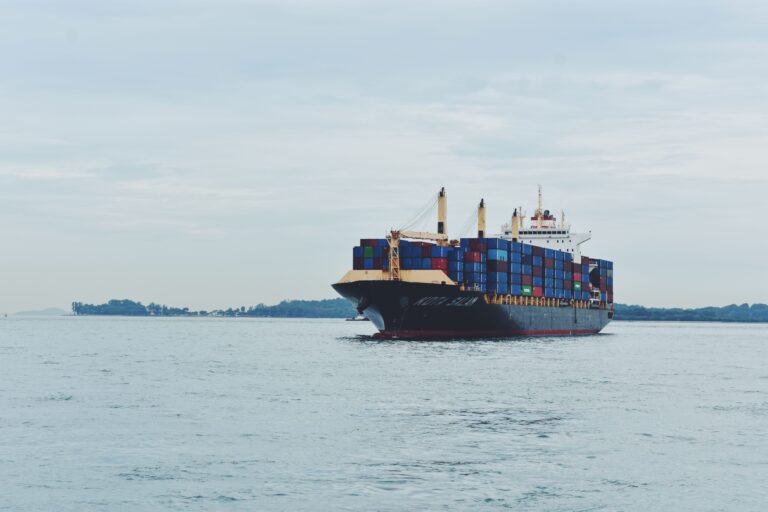
As concerns about carbon pricing grow among Thai businesses, Rapeepat Ingkasit, CFNT’s Research Consultant, draws on European evidence to address fears of factory relocation and rising living costs. He also proposes five design principles for an effective carbon-pricing system that protects vulnerable households and prevents inequality from worsening.
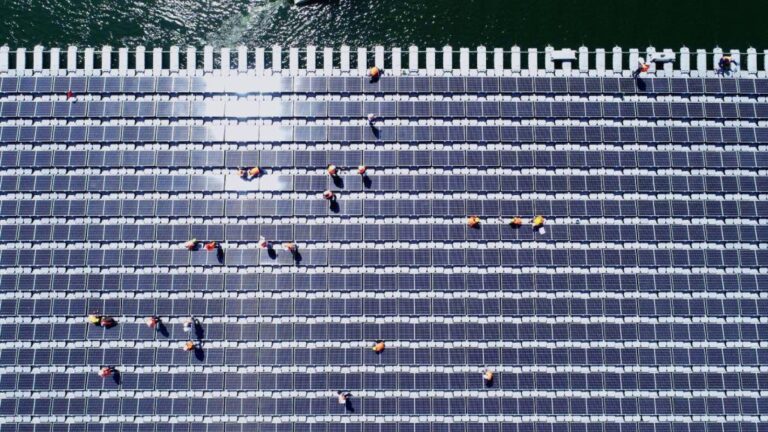
Rapeepat Ingkasit, CFNT's Research Consultant, explains why Thailand's energy system remains vulnerable and why transitioning from LNG dependence to renewable energy is critical.
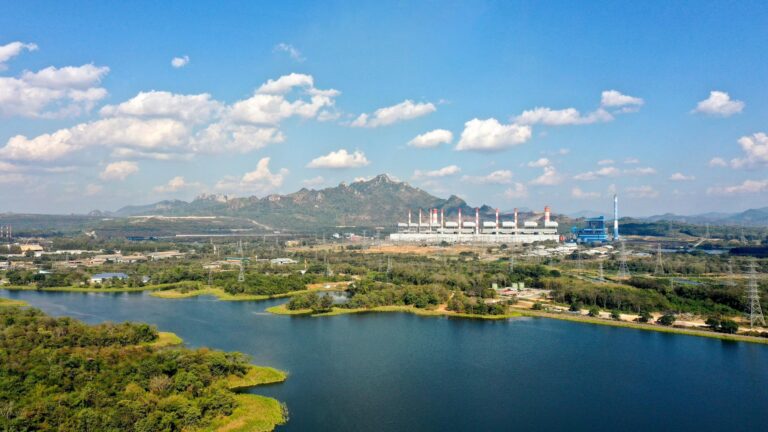
Thailand’s Net Zero 2050 target under NDC 3.0 can be achieved depends largely on the energy sector. Rapeepat Ingasit explores 3 pathways for phasing out coal, drawing on international experience that is not only climate-friendly, but also economically viable.
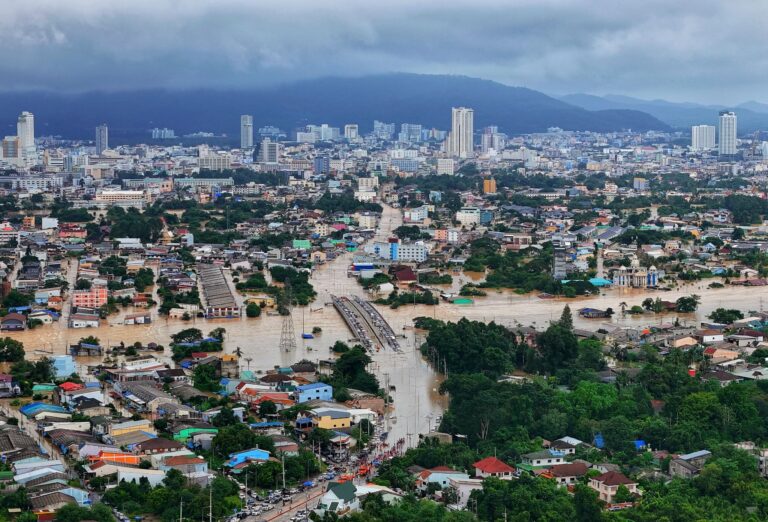
Governments have relied on reactive financial mechanisms to cope with unexpected disasters. In this article, Rapeepat would like to introduce a proactive financial instrument for disaster risk management: catastrophe bonds.

The 2025 southern flood crisis reflects Thailand’s continued failure in responding to water disasters. It may now be time to shift away from grey infrastructure to nature-based water management—just as the Netherlands has demonstrated through its “Room for the River” policy.
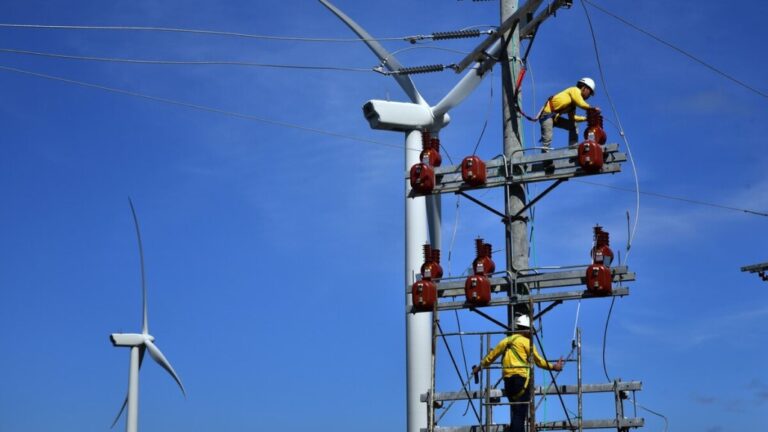
As Southeast Asia becomes the world's second-fastest-growing electricity market, the region faces two main paths. One is to commit to massive infrastructure to import Liquefied Natural Gas (LNG). The other path is accelerating renewable energy adoption, which requires a major update of the regional grid.
The draft PDP2024 outlines the country's power for the next two decades. Here are five key takeaways that policymakers and energy planners should seriously consider.
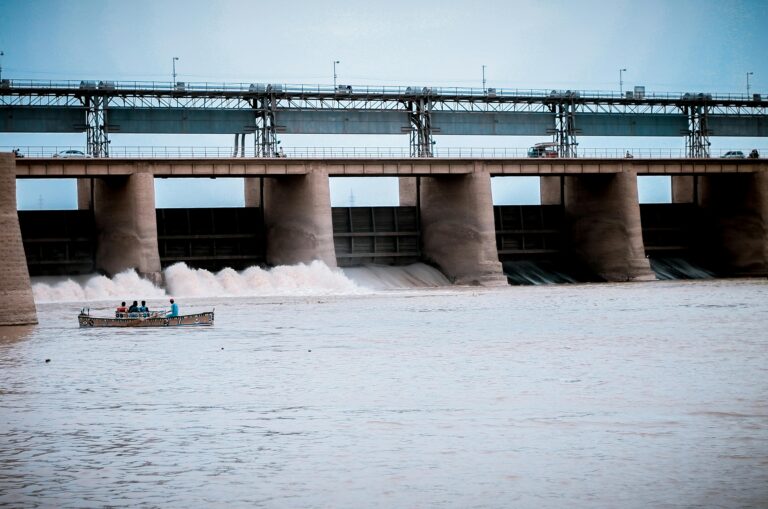
Thailand is taking a significant step towards renewable energy, targeting half of its electricity generation from renewable sources by 2037 under the recently drafted Power Development Plan 2024 (PDP2024). However, achieving this goal is dependent on the Asean Power Grid, a region-wide initiative first proposed in 1997 to interconnect the electricity infrastructures of Asean member […]
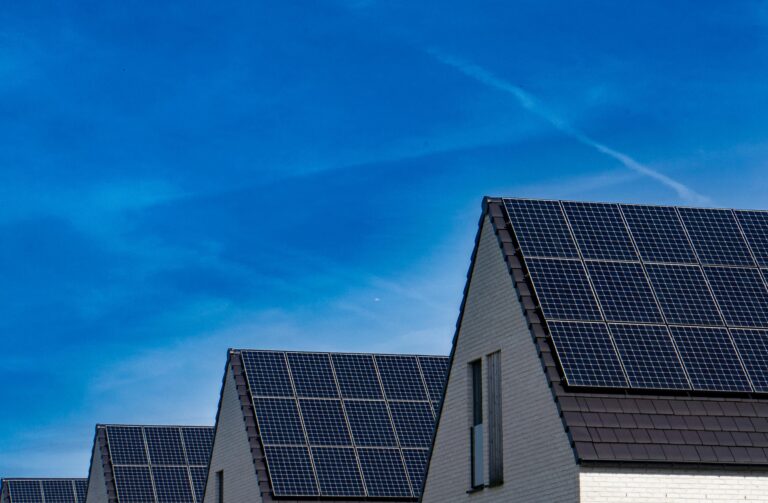
Thailand’s rising electricity costs are not just a concern for businesses; they are placing a financial burden on schools. In 2023, a local business daily, Bangkok Biz, reported that many schools were struggling with high electricity liabilities. For example, Mahidol Wittayanusorn School, located on the Salaya Campus of Mahidol University in Nakhon Pathom province, faces […]