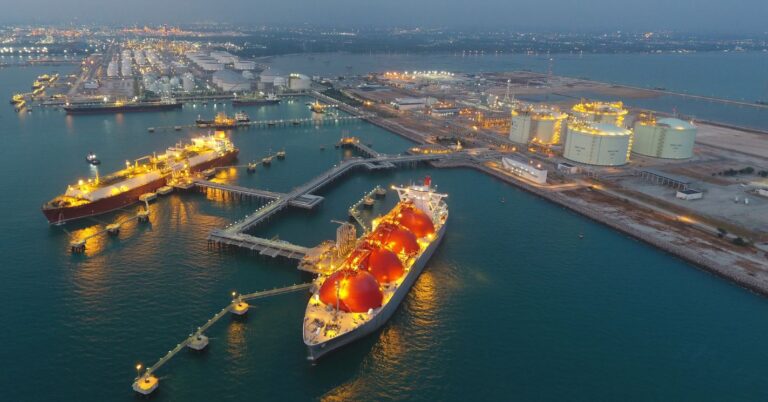
Iran war exposes Thai energy fragility
Iran war is once again challenging the global economy. For Thailand, however, it exposes something deeper -- an energy system that remains heavily dependent on imported LNG.

Iran war is once again challenging the global economy. For Thailand, however, it exposes something deeper -- an energy system that remains heavily dependent on imported LNG.
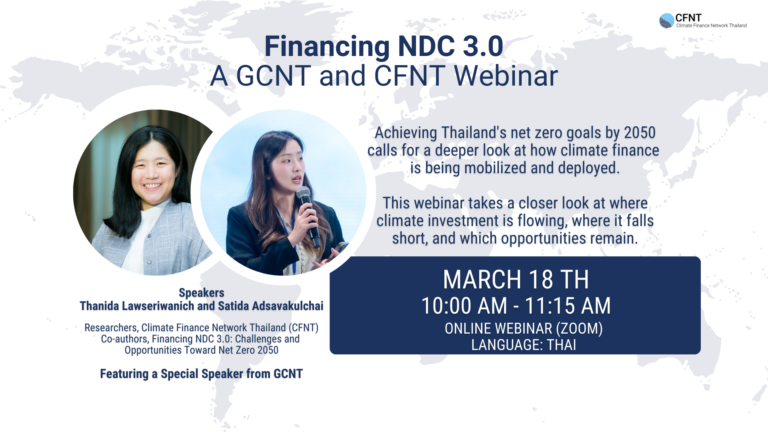
Video recording: "Financing NDC 3.0" featuring CFNT’s research team and speakers from UNGCNT.
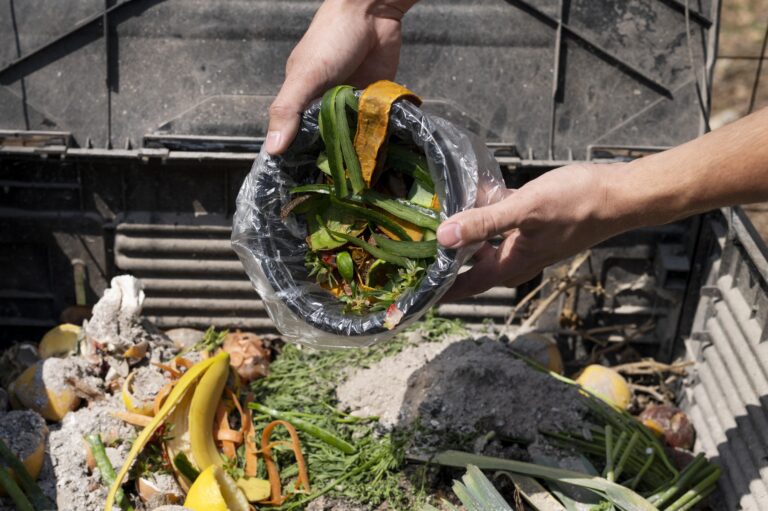
On paper, Thailand’s T-VER composting projects appear capable of delivering emission reductions close to the waste sector target under NDC 3.0—within a single year. In reality, the impact may be far smaller.

CFNT examines financing gaps between Thailand’s NDC 3.0 commitments and actual investment flows using CFNT’s Climate Finance Tracker, highlighting sectoral mismatches in priority technologies and opportunities to mobilize finance and accelerate Thailand’s path to net zero.
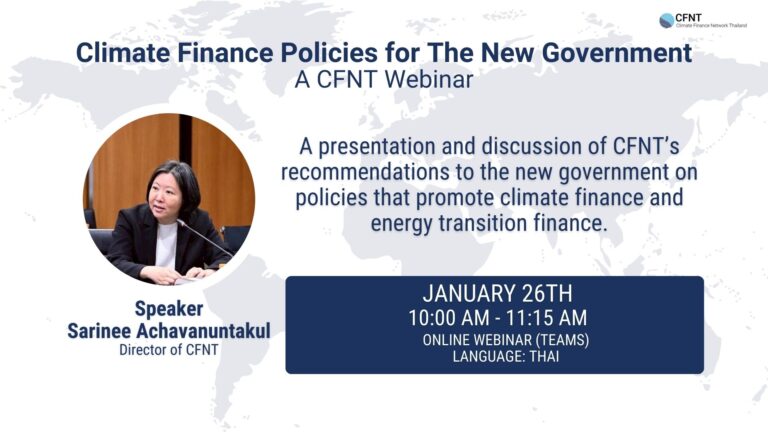
‘Climate Finance Policies for the New Government’, presented by Sarinee Achavanuntakul, Director of CFNT
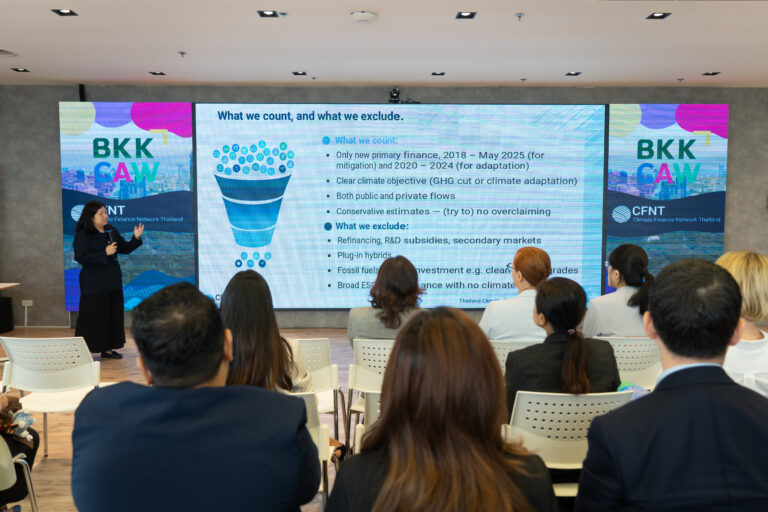
Thailand is one of the most vulnurable country in climate chage, a key question arises: How is Bangkok and other local governments allocating their budgets to address climate change, and how far are we from meeting the country’s climate finance goals?

How Thai - Cambodia conflict may affect climate finance, and how instability may be not just slow but reverse the future of Thai energy transition?

As Thailand’s economy grows, so do its greenhouse gas emissions. While climate finance has increased, meeting the country’s NDCs will require stronger action — a key message highlighted during the panel discussion ‘Climate Mitigation Finance: Taking Stock and Looking Forward’.
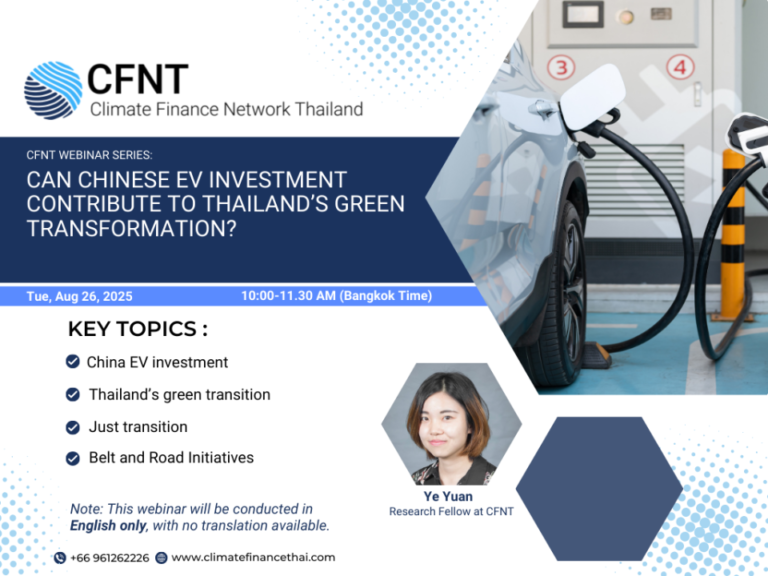
How much can Chinese EV investment truly contribute to Thailand’s green transformation? Let's find the answers in our upcoming online seminar

In this report, we critically analyze draft Power Development Plan 2024 (PDP2024), emphasizing its over-reliance on fossil fuels, particularly natural gas, and the high associated costs and risks. Despite Thailand’s commitment to achieving carbon neutrality by 2050, the plan prioritizes the development of new gas plants and unproven technologies such as Small Modular Reactors (SMRs) […]